The Laws of Thought: Why Logic Can’t Explain the Human Mind
Princeton cognitive scientist Tom Griffiths joins the show to talk about why logic fails most human decisions, David Hume’s riddle of induction, and why AI thinks in “jagged” ways we don’t.
Princeton cognitive scientist Tom Griffiths joins the show to talk about why logic fails most human decisions, David Hume’s riddle of induction, and why AI thinks in “jagged” ways we don’t.

Gary John Bishop’s new book, Now What, argues that “now” isn’t a moment moving through time — it’s a location. Here’s why that distinction matters more than it sounds.

Inbox zero was never about the number in your inbox — it was about the space your email takes up in your head. Here’s why the goal should be “Inbox Today,” not zero.

We treat procrastination like a willpower leak, but Robin J Emdon argues why we procrastinate is emotional — a survival instinct you can’t discipline your way past. Here’s why goals can quietly make it worse, and why a clear sense of who you’re becoming pulls you forward when motivation runs dry.
We treat “tolerance” as a moral word, but it’s also an engineering one — the range of variance you’ll accept before something stops working. Mike Vardy and Patrick Rhone explore why tolerance is a range, not a target, and how knowing yours changes everything from minimalism to your next trip to Costco.

The harder you try to fall asleep, the more stubbornly awake you stay. Sleep coach Shimin Ooi of Sleep Reset explains why effort backfires — and why permission, not pressure, is what finally lets rest in.
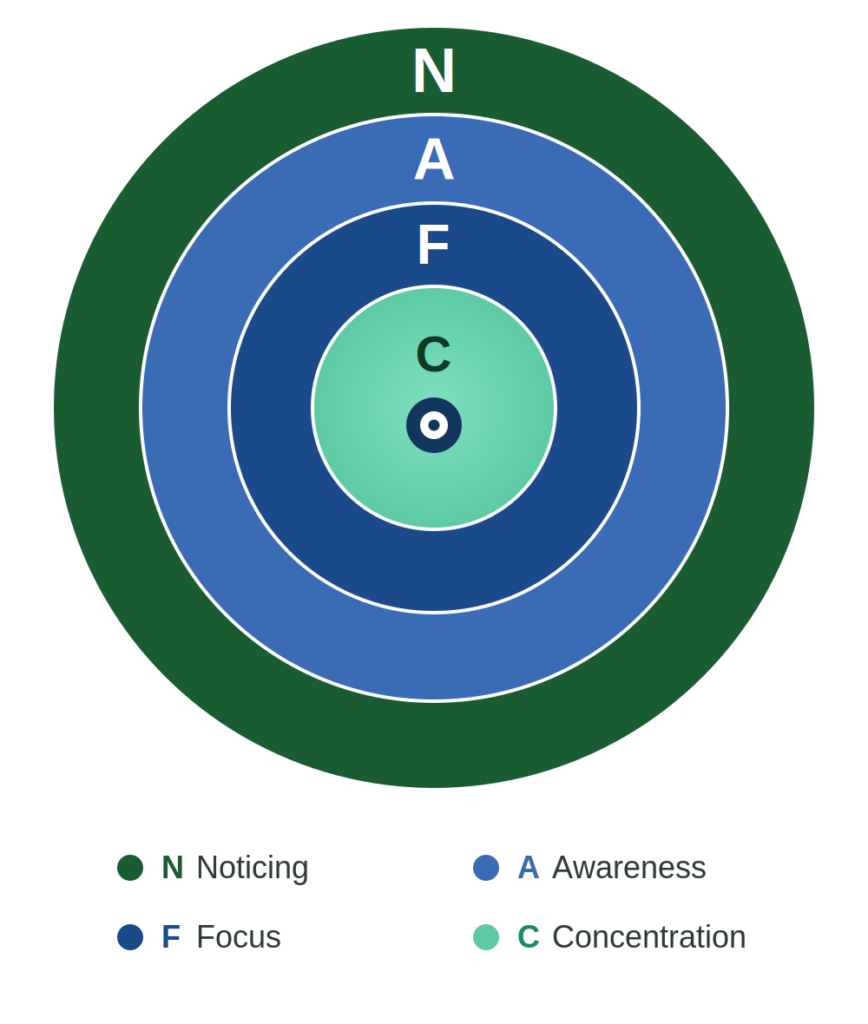
Distraction was never the real problem. In this solo episode, Mike Vardy maps the four spheres of attention — noticing, awareness, focus, and concentration — and shows why learning to move between them, not living in any one, is the actual skill.

Most productivity conversations start with systems. This one starts with what’s underneath them — six principles author Heather Jo Kennedy says we’re all overlooking, and why fixing those changes everything else.
Prudence has almost vanished from our vocabulary — but it hasn’t vanished from our lives. In this PM Talks episode, Patrick Rhone and I dig into what prudence actually means, why speed culture pushed it out, and why it might be the most underrated productivity virtue we have.
Powered by Robot Army Industries