
Who’s in Charge of Your To-Do List?
Your to-do list isn’t the problem. Forgetting who’s in charge is. When lists become masters instead of servants, busyness replaces discernment—and intention quietly slips away.
Your to-do list isn’t the problem. Forgetting who’s in charge is. When lists become masters instead of servants, busyness replaces discernment—and intention quietly slips away.
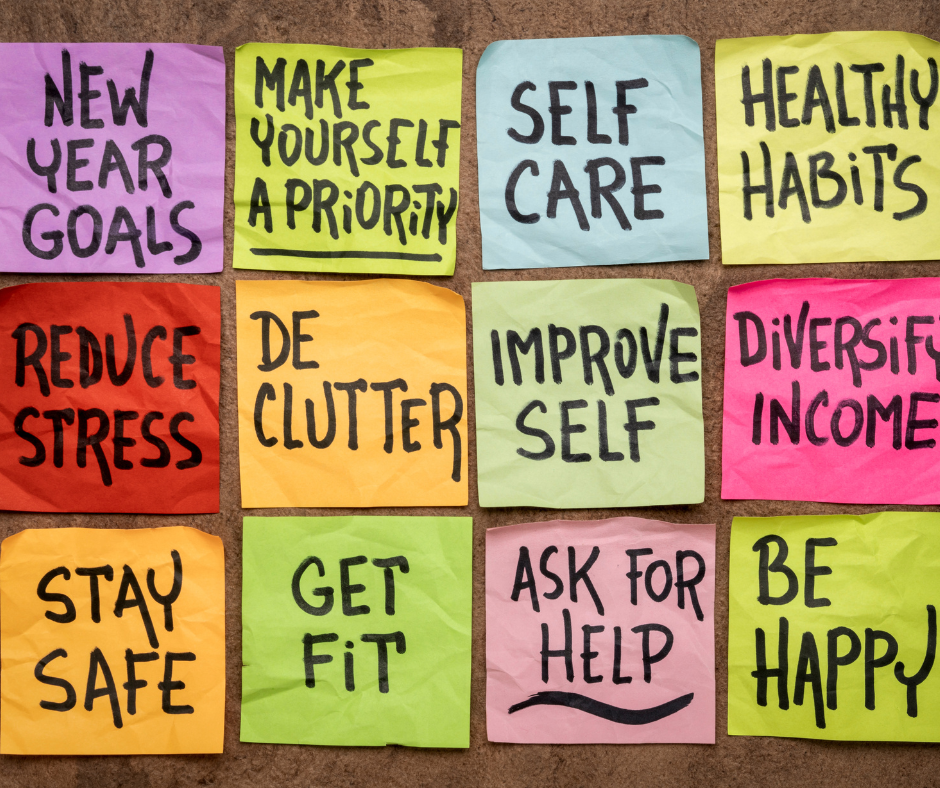
Most New Year’s resolutions fail for a simple reason: the strategy behind them doesn’t match how change actually works. This post explores why—and what to do instead.

Parity Theming is a simple yet powerful way to create a natural rhythm in your schedule by assigning different intentions to even and odd days, weeks, or months. Here’s how it works—and why it might be the missing layer in your productivity practice.

Finishing used to feel like a test of will. Now I see it as the natural result of a sustainable rhythm. Here’s how my thinking has shifted since 2017 — from fear to flexibility, from touchstones to tools, and from pushing through the end to crafting a way forward that lasts.

The ants aren’t as industrious as we imagine. Their “lounger ants” reveal why busyness isn’t the point — and why intention is.

Time has a way of creeping past its borders. Days stretch, weeks blur, and what was meant to be contained spills outward. Theming helps restore those edges — and so does remembering that our time is always limited.
This post is only here for a few days — a short, curated list of tools and resources I use or trust, many with Black Friday deals attached.
I’ve always loved stuffing—specifically the humble stovetop kind. It’s my favourite part of the whole holiday spread, and I’d happily eat it any time of year. There’s a quiet lesson in that: sometimes the thing we treat as a side dish is actually what nourishes us most.
We try to manage time, but time can’t be managed—it moves on with or without us. What we can manage is space: the gaps, buffers, and pauses that give time its meaning.
Powered by Robot Army Industries