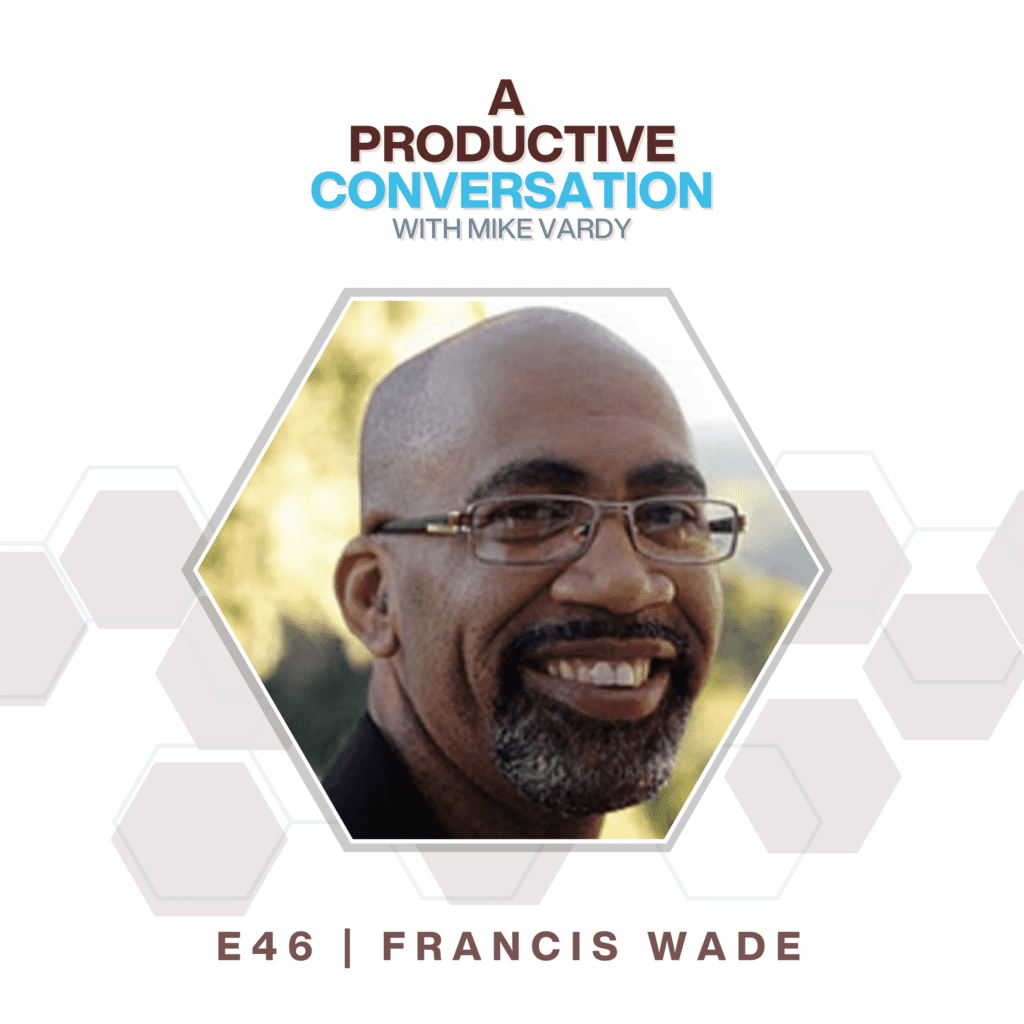
When the first reviews of Productiveness came in, two of them made the same wish: more step-by-step instruction. I understood it. The book sits on a shelf full of systems and methods, and that shelf has trained readers to expect a prescription. But I said on the opening pages that it isn’t a how-to book, and I meant it. The tension between perspective vs prescription is one I keep running into, and a recent conversation with Patrick Rhone sharpened it.
Hard Days Make for Soft Landings
A phrase arrived the day before we recorded: soft days make for hard landings, and hard days make for soft landings. Days of constant comfort slide into complacency, and when something hits out of nowhere, the fall is hard. Days that test you, emotionally, mentally, or practically, leave something behind. Not because hardship is good, but because once you’ve come through it, you know you can.
I chose “make” over “lead to” on purpose. “Lead to” sounds like a guarantee. “Make” leaves room. Any phrase this tidy has holes in it. It’s the spirit I’m after.
Patrick put it in terms of his own life. His days are steadier now than they were decades ago, and when someone asked him whether that came with age, he said no. It came from what happened in between. That is perspective, and nobody could have handed it to him as a list.
Perspective vs Prescription on the Productivity Shelf
Walking into Bolen Books here in Victoria to sign my books, I passed a new graphic novel edition of Sean Covey’s The 7 Habits of Highly Effective Teens. It’s a softening, a way of meeting readers where they are. I’ve watched the same move happen across our field: David Allen’s Making It All Work following Getting Things Done, and now Tiago Forte turning toward reflection and the life review.
Patrick would go further. He tells people to read Making It All Work first, because then they arrive at the system with enough perspective to keep what fits and set aside what doesn’t.
Perspective vs prescription isn’t a contest with a winner. Both have their place. But only one of them can be written as numbered steps, and it’s the one that helps least when something unexpected arrives. Nobody can tell you how to get perspective in three steps.
So Busy Seeing Everything
Patrick’s stepfather was a rated chess master. When Patrick asked how grandmasters who can see every possible line ever lose to each other, the answer was simple: it’s the move they missed. They were so busy seeing everything that they missed something. Patrick wrote about it in The one they forgot.
That’s the risk of holding perspective only from altitude. The view from twenty thousand feet is valuable, but if it’s the only place you stand, you miss what’s on the ground. Perspective needs a place to land. Sometimes that’s the person beside you who sees what you can’t.
Don’t Be the Ship
The Ship of Theseus asks whether a ship rebuilt plank by plank is still the same ship. In Marvel’s VisionQuest, Ultron waves the question away. Stop looking at the ship, he says, and look at the king who sailed it and what he did with it.
I recognized our field in that. We refinish and tweak our systems until they shine, and then they sit, like the ship in its museum. We end up perfecting rather than practicing. The system is scaffolding. You’re the one steering.
Where the Stumping Lives
Patrick also pointed me to an interview with the mathematician Steven Strogatz about watching AI solve problems that had stumped people for years. What stayed with both of us is that the stumping is the good part. The answer is where the fun ends.
That may be the strongest case I can make in the perspective vs prescription question. A prescription hands you the answer. Perspective asks you to stay with the problem long enough to be changed by it. Hard days make for soft landings. I’m still working out what that asks of the soft ones.