Personal productivity rarely starts with a clear mind. It usually starts with a full one.
We have so much to do that we can’t possibly be at our best. So we rush in. Like a driver who’s only focused on the destination — not the road.
Rushing in is rarely the best course of action. When you move that fast, you get careless. You miss things. You overdo other things. And you blow past opportunities without even seeing them.
There’s a better way. It starts with being ahead of yourself.
Why Getting Ahead Isn’t the Same as Rushing
1:24 AM
Being ahead of yourself isn’t the same as rushing in. It’s the opposite.
When you’re ahead of yourself, you’re aware. You’re the driver looking further down the road — seeing what’s coming, what others are doing, and how it might affect you. You choose when to change lanes. When to slow down. When to speed up. You’re efficient and effective without sacrificing one for the other.
Being ahead of yourself simply means you’re prepared.
You’ve done the front end work. You have a task management system that works for you. You’ve thought things through so you’re not trying to check every box — just the right ones. Your mind is clear because you set it up to be. And when the time comes to make decisions, you make better ones — because you’re already ahead of where you need to be.
How to Stay in Control of Your Day
1:25 AM
The best way to get ahead of yourself is to take control of your day. And to do it consistently.
Email is a good place to start — because it’s one of the easiest ways to lose that control. When you check it first thing in the morning, you’re putting other people’s requests before your own. That sets the tone for the whole day. And not in a good way.
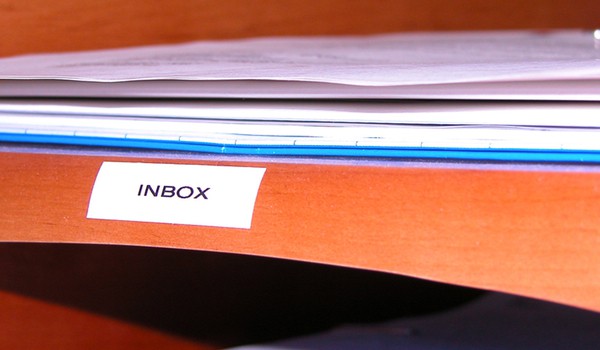
It doesn’t mean email isn’t important. It means you are more important than what’s sitting in your inbox.
Try this instead: check email at the end of your day. See what came in. Decide what needs attention tomorrow. Then close it. You’ll end your day with a clear picture of what’s ahead — and start the next one on your own terms.
Email is just one example. The specifics will look different for everyone. But the principle holds across the board: find the places where you’re reactive, and make a plan to get ahead of them.
Do that consistently, and two things happen. Your productivity improves. And you start putting yourself first a lot more often.
If you’re not sure what your range looks like — or how to build a week that makes maintaining it feel natural rather than forced — Your Clockwise Week is where that work starts. Because being ahead of yourself only works if the week underneath it is built to hold.