The Architecture of Trust
Trust isn’t only about people—it’s the invisible structure beneath our tools, routines, and choices. This essay explores how simplifying systems helps strengthen the trust that holds everything together.
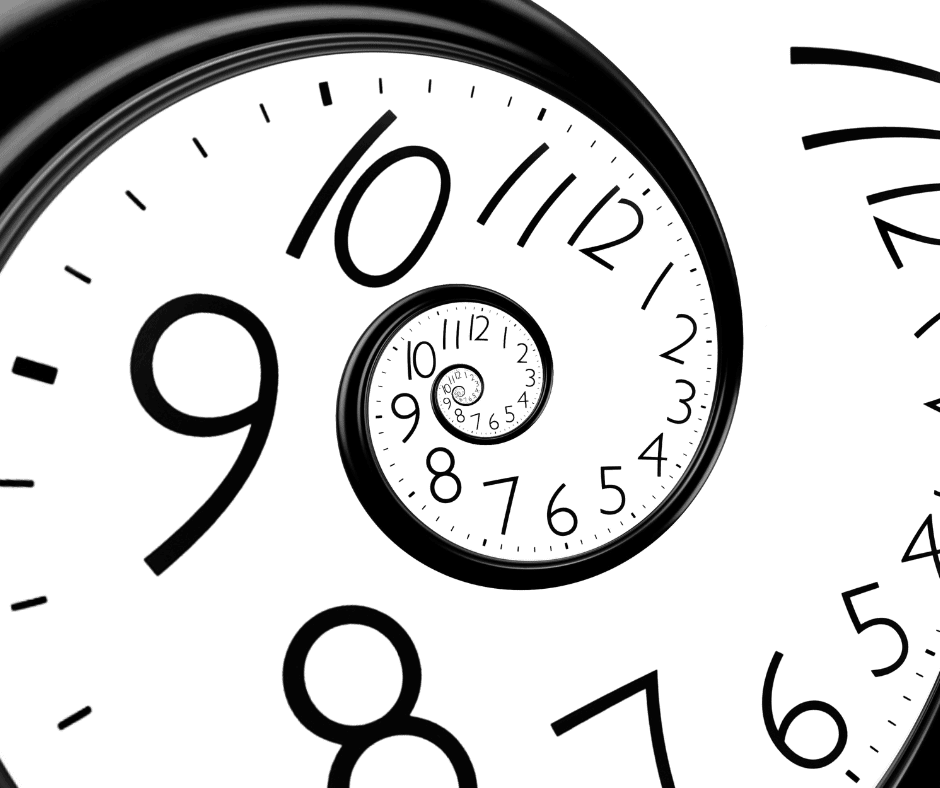
Time doesn’t just pass — it plays. Between each second and each song lies a rhythm we rarely hear. This piece listens to the space where time hums quietly, reminding us that attention, not activity, makes a moment last.
After years immersed in productivity, I’ve learned that some of its most popular beliefs—about mornings, Inbox Zero, and work-life balance—don’t stand up to real experience. Here’s why I don’t buy into them.
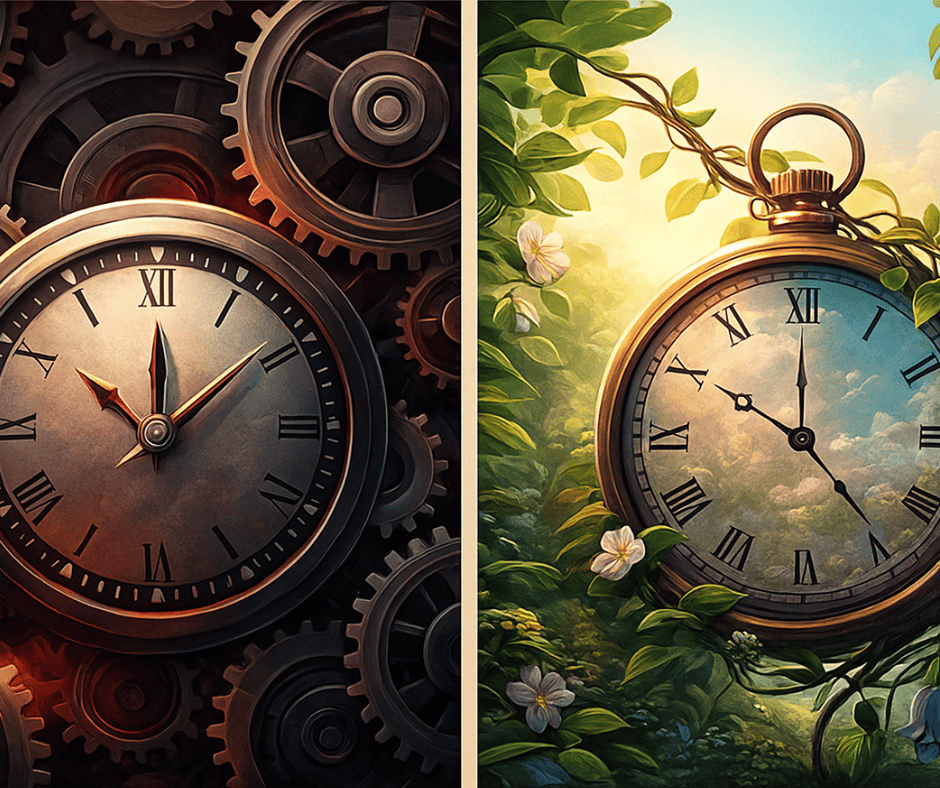
We can’t manage time—it moves with or without us. But we can make peace with it by managing what’s actually within reach: our process, energy, attention, cadence, and expectations.
Not everything you care about deserves equal weight. This reflection explores how to spend care on what endures—before your energy fades away.
James Kimmel Jr. joins me to discuss The Science of Revenge, exploring how our brains crave retribution and why forgiveness may be the most powerful tool we have to break free from it.
Hannah Bookbinder joins me to explore how understanding ADHD through awareness and compassion can unlock productivity. We discuss the MyTOAD App, journaling, and the importance of working with your wiring, not against it.
Licensed clinical social worker and author Anthony Verdino joins me to unpack how simplified CBT practices can improve focus, reduce burnout, and reframe productivity through awareness and self-care.
Skye Waterson joins me to explore the science and strategy of managing ADHD, sharing how to build focus systems designed for real brains—not ideal ones.
Powered by Robot Army Industries